What to ask at the farm gate
Every honest farm expects questions: what to ask, and what each answer tells you.
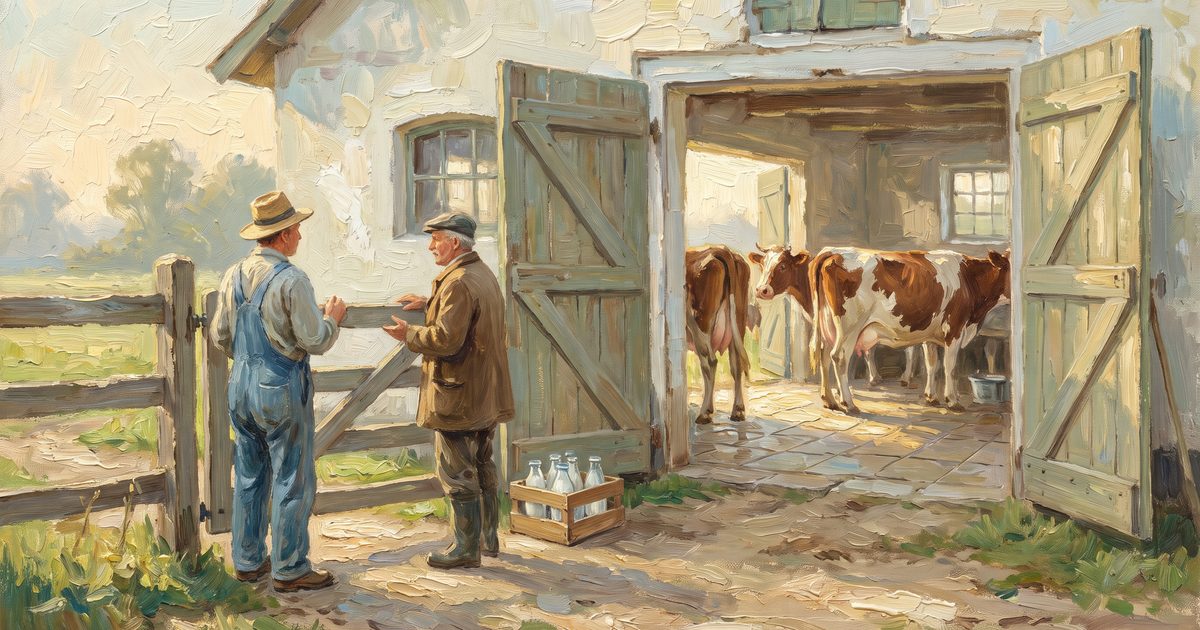
Direct buying is a skill. The farmer has the food; you have the questions, and the quality of the transaction is decided by how good yours are.
Why the questions matter more than the label
Every credential in farm-gate commerce: "raw", "grass-fed", "organic", is a word on a sign. The questions below convert words into evidence. None of them is hostile; every experienced direct-sale farmer has answered them hundreds of times, and the good ones enjoy it. The pattern to remember: specific questions get specific answers, and specific answers are what you can verify.
The herd health questions
"Is the herd TB and brucellosis tested, and when was the last round?" In most jurisdictions with legal raw milk direct sales, testing is mandatory, the farmer should know the schedule and the results without checking. "What are your somatic cell counts?": the standard indicator of udder health and milk hygiene; low counts signal clean milking and healthy animals, and a raw-milk farmer should know their number the way a baker knows their oven.
The milking-line questions
"How is the equipment cleaned, and how often?", look for clean-in-place cycles with proper detergents and acid rinses between milkings. "How fast does the milk get chilled, and to what temperature?" The correct answer is minutes, to around 4 °C: the cold chain starts at the parlor, and everything downstream, your car ride, your fridge, inherits whatever it was.
The feed and animal questions
"What do the animals eat through the year?", pasture share in season, hay in winter, grain if any, and why. "What happens when an animal gets sick?", the answer should include a veterinarian, a treatment protocol, and milk withheld from the tank during antibiotic treatment and after. A farm that cannot describe its sick-animal protocol has one, just not one it likes to say out loud.
The bottling and dating questions
"Glass or plastic, who fills, and what's the date on it?" Glass returned and reused is the traditional standard; the fill date should be the actual milking, not a sell-by fiction. Ask how they handle a bottle return that comes back dirty, the answer tells you how they think about the whole chain.
The red flags
Three answers should end the conversation: visits never allowed under any circumstance. No testing "because we've never had a problem", the problem with that sentence is its tense. And vagueness about what happens to milk from treated animals. Opacity is not a personality trait; it is a risk factor.
Risk note: these questions raise the quality of your sourcing decisions; they do not certify safety. Raw milk and raw meat carry pathogen risk (Salmonella, E, coli O157: H7, Listeria, Campylobacter) that source quality mitigates and nothing eliminates. Pregnant women, young children, the elderly and the immunocompromised are advised against raw animal foods from any farm, however good the answers.
The farm gate is the last place in the food system where the buyer and the producer stand face to face. Ask like it matters, because for the food you are about to eat, it is the only interview it will ever get.
Frequently asked questions
What should I ask a raw milk farmer?
Can I visit the farm before buying?
Does asking these questions guarantee safety?
Key points
The summary search engines extract.- Ask about herd health testing: TB and brucellosis status, and somatic cell counts: farms selling raw milk for direct consumption should know these numbers cold.
- Ask about the milking line: how equipment is cleaned (clean-in-place cycles), how fast milk is chilled, and to what temperature, the cold chain starts at the parlor.
- Ask about feed: pasture share, hay in winter, grain if any: feed shapes both fat composition and your reasons for being there.
- Ask about bottling and dating: glass or plastic, fill date, and how the farmer handles milk from an animal under antibiotic treatment.
- Red flags: no visits allowed, no testing 'because we never had a problem', no answer on animal treatment protocols, opacity is the one answer that should end the conversation.