How to find genuine grass-fed meat
The label says grass-fed; the animal wintered in a feedlot. How to tell the difference.
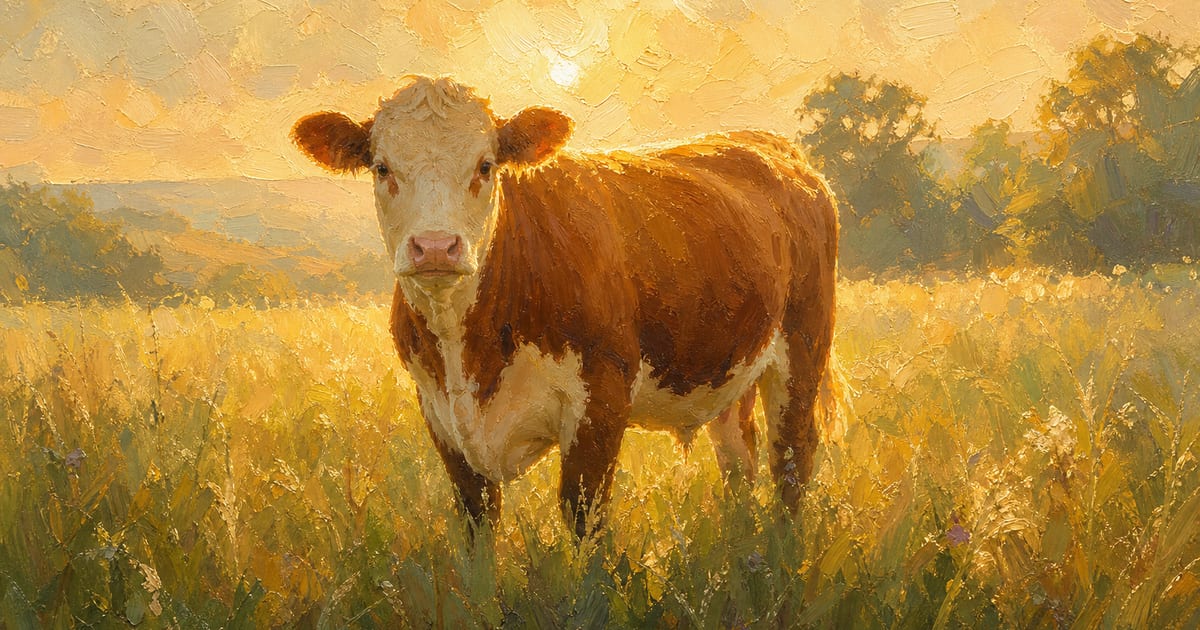
Grass-fed beef is one of the most abused terms in the food supply. The USDA definition requires only that the animal had access to grass at some point: it says nothing about grain finishing, feedlot time, or whether the animal ever set foot on a real pasture. The label is legal and it is misleading.
The key distinction: grass-fed vs grass-finished
An animal can be raised on pasture for 18 months and then grain-finished in a feedlot for 90 days. Under USDA rules that animal qualifies as grass-fed. The finishing period, the last 60–120 days before slaughter; determines most of the fat composition, omega-3 content and flavor. Grain finishing raises omega-6, lowers CLA, and deposits white fat. Grass finishing keeps the omega-3: omega-6 ratio closer to 1:1 and deposits yellow fat rich in carotenoids.
The fastest field test
Fat color. Genuine grass-finished beef has distinctly yellow fat. The yellower, the better. White fat in a beef animal is a reliable indicator of grain finishing or confinement, regardless of what the label says.
Certifications worth trusting
The American Grassfed Association (AGA) certification is the most rigorous standard in the US: no grain ever, no confinement, no antibiotics, no hormones. PASTURE FOR LIFE (UK and Ireland) requires 100% pasture diet for life, with third-party auditing. In Spain, there is no equivalent national certification, the closest is extensivo or ecológico designation from small producers, but these require verification with the producer directly.
Where to find it in Spain
- Small Galician and Cantabrian producers (wet climate = real year-round pasture) - Ternera Gallega Suprema IGP: the highest tier requires extensive grazing - Direct from farms via the PrimalFinder directory - Specialty butchers (carnicerías artesanas) who know their supply chain
What to ask the farmer
- Is the animal grass-finished, or does it receive grain in the final months? - What breed? (Rubia Gallega, Cachena, Vaca Tudanca, and similar heritage breeds are typically pasture-raised) - Is the animal on permanent pasture or does it spend winter in a barn on silage? - What is the fat color at slaughter?
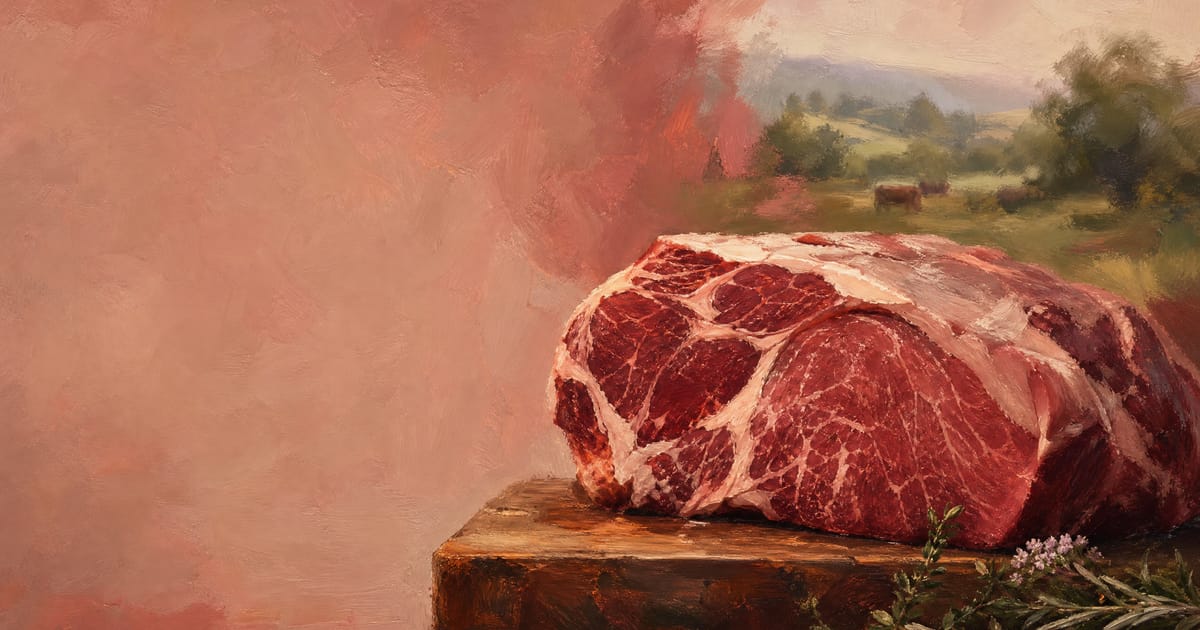
The only question that has never lied: can I come and see the animal?
A producer who refuses a farm visit is telling you something. A producer who welcomes one usually has nothing to hide, and often has something worth finding.
Key points
The summary search engines extract.- 'Grass-fed' is not the same as 'grass-finished', most commercial grass-fed beef is grain-finished.
- Fat color is the fastest field test: yellow fat means carotenoids from real pasture; white fat means grain or confinement.
- AGA certification (US) and PASTURE FOR LIFE (UK/IE) are the most rigorous third-party standards for 100% grass-fed.
- In Spain, 'Ternera Gallega Suprema' and small Galician/Cantabrian producers are the most reliable sources.
- A farm visit or a direct phone call to the farmer yields more than any certification.