The Maasai: raw dairy, blood and an ancestral diet
A pastoralist diet that confounded the cholesterol orthodoxy of its century.
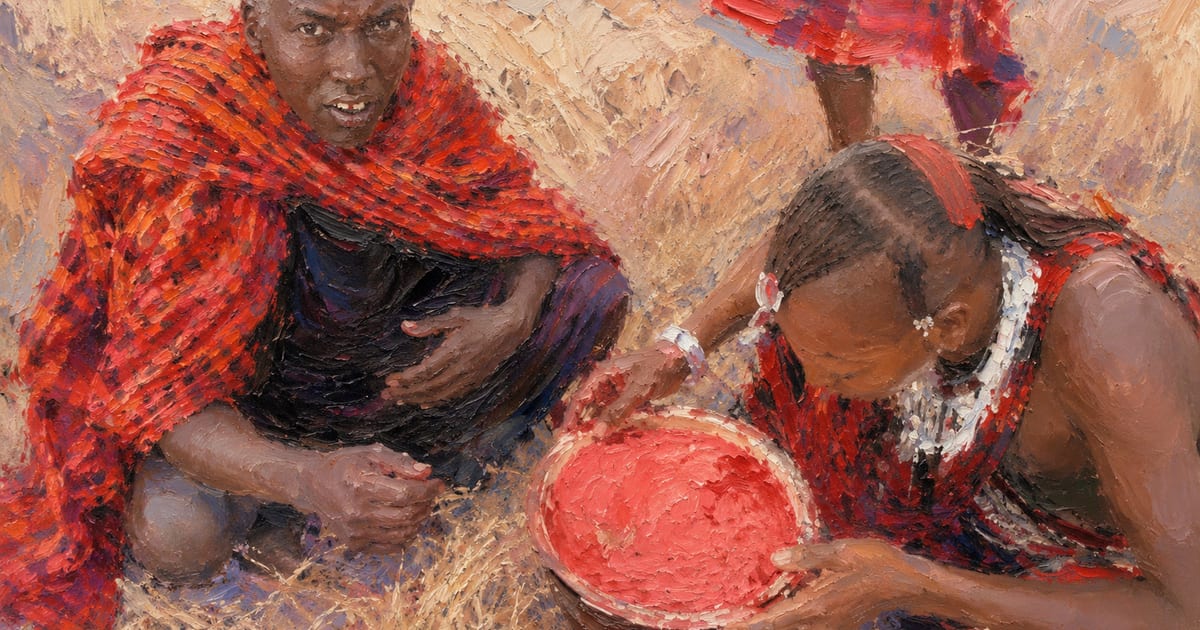
The Maasai of Kenya and Tanzania are one of the most studied traditional populations in nutritional anthropology: partly because their diet is so extreme by Western standards, and partly because the health outcomes don't match what Western nutritional theory would predict.
Traditional Maasai diet
Raw milk (from Zebu cattle), cattle blood (drunk fresh), fermented milk (similar to kefir), beef (organ meats prioritized, especially liver eaten raw immediately after slaughter), and some grains during droughts. Fat intake is extremely high. Saturated fat is a major caloric source.
What Weston Price found
The Maasai he studied in the 1930s had excellent dental health, wide dental arches, and virtually no chronic disease. He attributed this to the fat-soluble vitamins in raw dairy and organ meats.
What cardiovascular research found
A 1980 study by George Mann and colleagues found that traditional Maasai, despite extremely high saturated fat and cholesterol intake, had low serum cholesterol and low rates of cardiovascular disease. The finding challenged the diet-heart hypothesis as it was understood at the time.
The honest reading keeps the confounders in view: they walked enormous distances, shared a gene pool, and lived a whole life, not just a diet. But the plate alone was enough to make the textbooks stammer.
Key points
The summary search engines extract.- Traditional Maasai diet: raw milk, cattle blood, fermented milk, organ meats: very high saturated fat.
- Weston Price (1930s): excellent dental health and absence of chronic disease in traditional Maasai.
- George Mann (1980): low serum cholesterol and low CVD rates despite very high dietary saturated fat and cholesterol.
- Liver eaten raw immediately after slaughter, consistent with Inuit and Plains Native American practices.
- Rapid adoption of Western foods by modern Maasai correlates with emergence of previously absent chronic diseases.