What is the Primal Diet?
Raw animal foods below 40 °C: the protocol Aajonus Vonderplanitz built over thirty-five years.
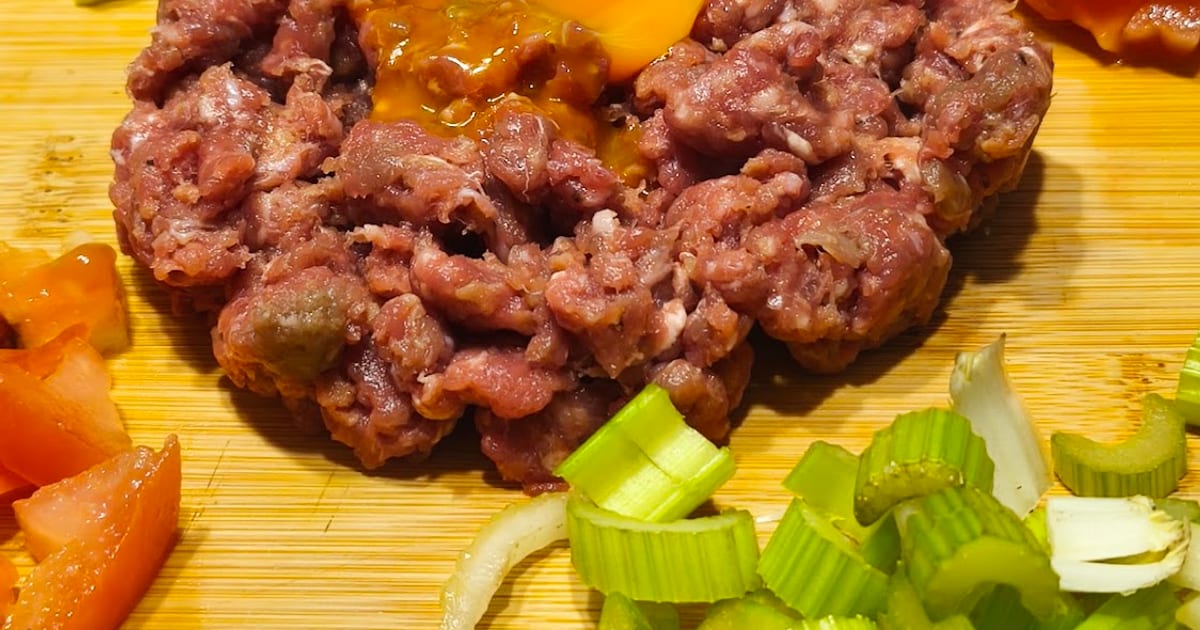
Someone on this diet eats raw meat, drinks unpasteurized milk, and does not cook. That is the literal description. The protocol was developed and documented by Aajonus Vonderplanitz over more than three decades of direct observation, based on his own recovery from multiple serious illnesses and the follow-up of thousands of clients.
The defining rule is a temperature: nothing is heated above 40 °C (104 °F). That is the point at which the body's own tissues begin to change state during fever, and the point above which food enzymes permanently denature, native proteins lose their shape, and beneficial bacteria die. Below 40 °C, food reaches the digestive system with its enzymatic and microbial machinery intact.
A typical day on the primal diet
On waking — A small cube of raw unsalted cheese. Ten minutes later, 1–2 raw eggs — with a tablespoon of raw honey if wanted. The protocol never eats honey alone: it travels with fat, so the egg is the carrier.
Mid-morning — 150–200 g raw minced beef (grass-fed) with raw butter or another raw animal fat. In the protocol's own words, "always have butter with your meat meal". Cold-pressed vegetable juice, kept at least an hour apart from the meat — the protocol insists juice and meat never share a digestive window.
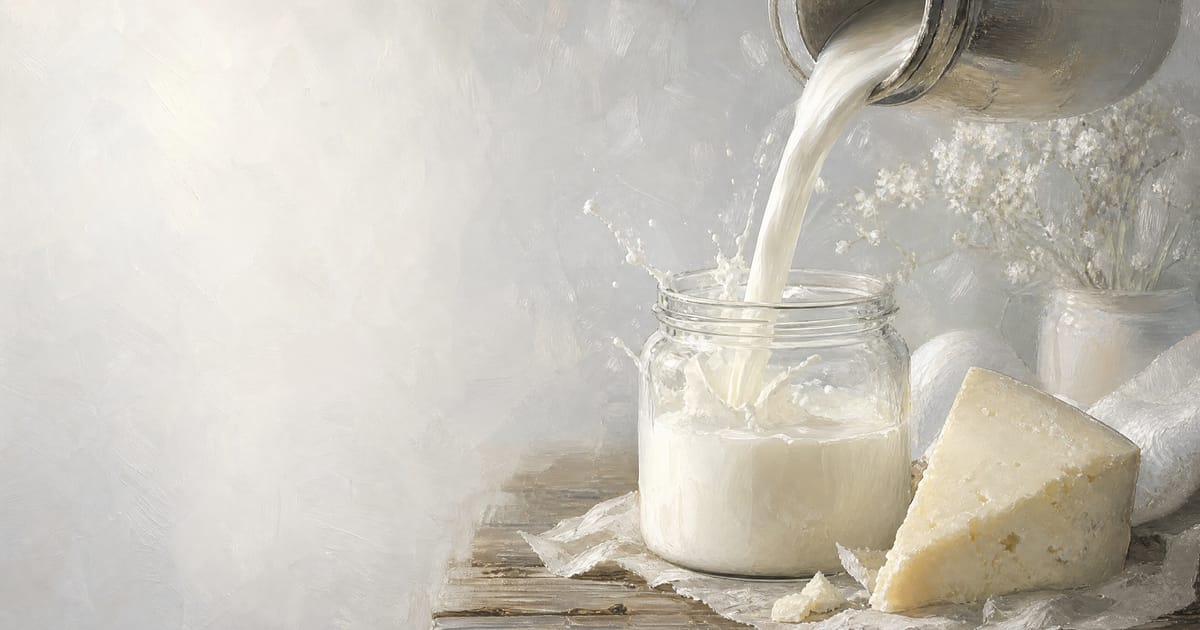
Through the rest of the day — Raw dairy in small amounts spread across the hours (the protocol caps sipping milk at roughly 60 ml per hour), raw fruit only ever paired with fat, and a small piece of raw unsalted cheese before each food — the protocol treats cheese as a mineral sponge taken before meals, not as a garnish.
At bedtime — The protocol's classic closer: a milkshake of raw milk, raw egg and unheated honey.
This is not a template — it is an example. The actual foods, quantities and rhythm vary widely between practitioners. What does not vary is the raw-only constraint — and the pairing rules: fat with every meat, fat with every fruit and honey, cheese before, juice apart.
The 5 principles
1. The 40 °C ceiling
40 °C is not arbitrary. It is approximately the maximum body temperature during high fever. Vonderplanitz observed consistent declines in digestibility when food was heated even slightly above this line — particularly in patients who were already ill. He himself noted that measurable enzyme destruction "is not significantly observable until cooking temperature reaches 118°F [48°C]," but identified a subtler decline at 106°F [41°C], and found that "sick people digest food best when food is not heated over 104°F [40°C]." The 40°C ceiling sits well below the temperatures at which Maillard reactions (>60°C wet, >120°C dry) or rapid vitamin degradation (>70°C) occur. It is a clinical observation threshold, not a biochemically derived constant — and Vonderplanitz described it as such.
2. Animal foods as the caloric and nutritional axis
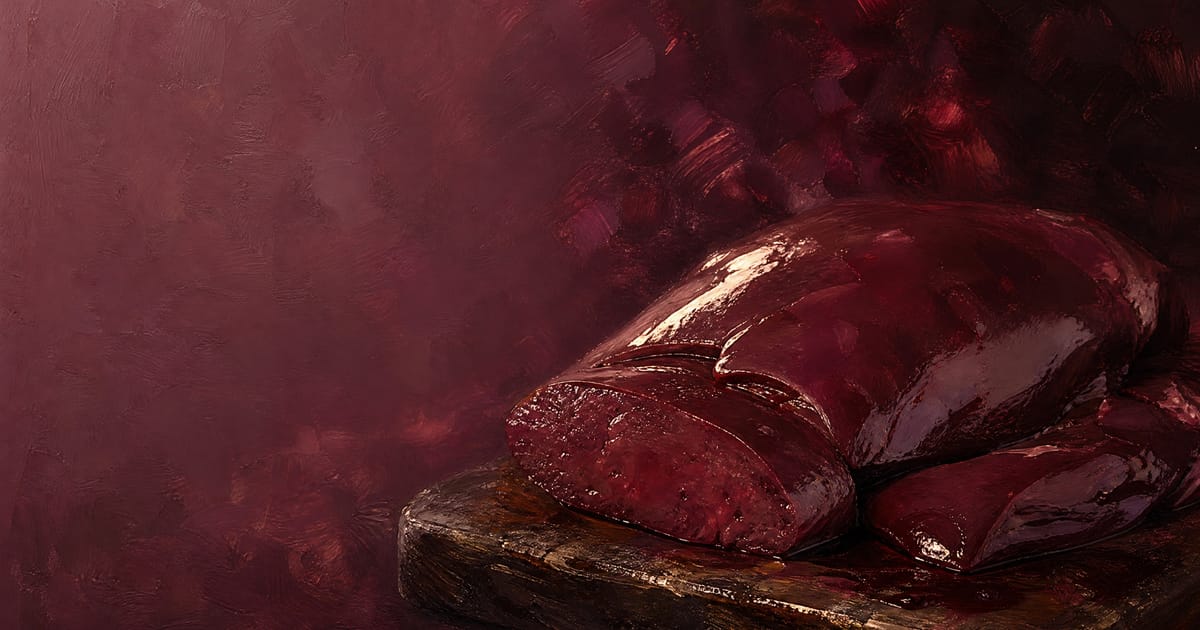
Raw animal foods are the core: raw muscle meat (preferably grass-fed), raw organs (liver, kidney, heart, bone marrow), raw whole eggs, raw dairy (unpasteurized milk, raw butter, raw cheese, raw cream), and raw unfiltered honey.
3. No grains or legumes
They contain antinutrients — lectins, phytates, protease inhibitors — that are indigestible raw for most people, and whose beneficial properties are largely destroyed by cooking.
4. The foundation of living traditions
The protocol does not stand on theory — it stands on peoples who never switched kitchens. The Inuit built their diet on raw meat and fish into living memory; the Maasai and the Fulani took most of their calories from raw milk and raw blood; Mediterranean villages drank clabber and aged raw cheese long before pasteurization existed. The common thread is simple: wherever raw animal food remained the norm, the degenerative patterns that travel with industrial diets were absent. Industrial processed food is less than 200 years old — no tradition was ever built around it.
5. Source as a structural variable, not an optional detail
Food quality is part of the protocol, not a footnote: pasture-raised ruminants without antibiotics or growth hormones, unpasteurized and unhomogenized milk, free-range eggs with a deep orange yolk, and unfiltered unheated honey. To find verified sources near you: see the PrimalFinder Atlas.
What the science says
No randomised controlled trials (RCTs) of the primal diet as formulated by Vonderplanitz exist. The evidence base is observational (thousands of documented testimonials across decades) and informal clinical (patient follow-up over 35+ years).
What does exist in peer-reviewed literature: studies on the effects of pasteurization on milk's nutritional profile (documented reduction of heat-sensitive vitamins B6, B12, C and K2); research on dietary enzymes and their role in gastric pre-digestion; the Pottenger cat experiment (1932–1942), which showed progressive degeneration across generations fed pasteurized versus raw milk; and Weston A. Price's field studies across 14 traditional cultures consuming raw animal foods without the dental or structural degeneration seen in industrialized populations.
Real risks and legitimate criticisms
Salmonella, E, coli O157: H7, Listeria and Campylobacter are real and documented risks in raw meat and dairy. They are mitigated — but not eliminated — by healthy animals, strict hygiene in slaughter and milking, full traceability, and verified sourcing. High-risk populations: pregnant women, immunocompromised individuals, children under 5, and adults over 65 face significantly greater exposure to severe consequences.
No public health authority (WHO, EFSA) endorses this protocol. Most of Aajonus's specific medical claims have not been independently verified. Raw milk sale to the final consumer is regulated and restricted in most jurisdictions worldwide.
PrimalFinder documents the protocol as developed by Aajonus Vonderplanitz for informational and historical purposes. This archive does not prescribe or recommend any dietary protocol.
How this differs from paleo, carnivore and WAPF
The primal diet of Aajonus Vonderplanitz is not the paleo diet of Mark Sisson (which allows cooking and excludes dairy), nor the carnivore diet (which also excludes dairy and honey), nor the WAPF protocol (which allows moderate cooking). The only shared denominator is the ancestral framing. The defining difference of Aajonus's protocol is the 40 °C thermal ceiling — a constraint none of the others impose.
Frequently asked questions
Is the primal diet the same as the paleo diet?
Can I eat anything cooked on the primal diet?
Doesn't raw meat cause salmonella?
How long does it take to adapt to the primal diet?
Where to buy primal diet foods in Spain?
Who was Aajonus Vonderplanitz?
Key points
The summary search engines extract.- No food heated above 40 °C — the temperature at which digestive enzymes denature and native proteins lose their shape.
- Core foods: raw muscle meat, organ meats, raw dairy, raw eggs, raw honey, cold-pressed vegetable juices.
- Developed and documented by Aajonus Vonderplanitz over 35+ years of clinical observation.
- Not the same as paleo (which allows cooking), carnivore (which excludes dairy), or WAPF (which allows moderate cooking).
- No peer-reviewed clinical trials; evidence is observational and informal clinical.
- Real pathogen risks with raw food — mitigatable with source quality, not eliminatable to zero.